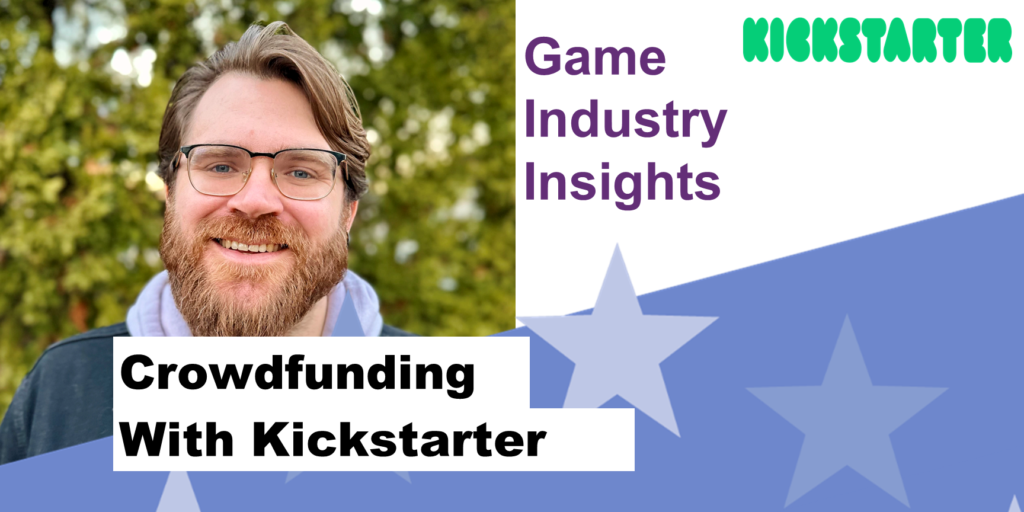
In a recent Game Republic webinar, Asher McClennahan, (Head of Games at Kickstarter) shared practical advice on how to approach Kickstarter, covering topics such as what makes a campaign successful, and the common pitfalls developers should avoid. The event forms part of the 2026 Game Republic event programme supported by Red Kite Games, Xsolla and Double Eleven and Xsolla . The session provided so many useful tips and information, here’s a few we thought were too good not to share..
Why Developers Choose Kickstarter
Kickstarter has established itself as a major player in games funding, with billions pledged across hundreds of thousands of projects. Games are one of its most successful categories, accounting for a significant share of total funding. One of its strongest advantages is the ability to engage directly with an audience that is already invested in your success. With backers often become long-term supporters, advocates, and even collaborators. Crowdfunding allows developers to retain control over their vision.
“Kickstarter is an all-or-nothing funding model. People are backing your campaign so that they can get a reward. Those same people that fund your projects, generally speaking want to see you succeed.” – Asher McClennahan
Having the freedom of not relying entirely on publishers or investors, teams can take creative risks and experiment with new ideas. A successful campaign provides ‘proof of market demand’, which can be invaluable when seeking additional funding or partnerships later in development. Success on Kickstarter isn’t limited to large studios, indie titles like “Hollow Knight” started with relatively modest campaigns, going on to receiving global recognition and helping to solidify the platform’s potential to launch titles successfully.
Building Awareness Before Launch is Key
A common misconception about Kickstarter is that launching a campaign will automatically attract backers. In reality, most successful campaigns are built well before they go live. While Kickstarter offers some organic discovery via its platform, this typically only accounts for a portion of total backers. The majority will come from your own pre-existing audience, making pre-launch marketing a critical step. Developers should aim to spend around 60–90 days preparing for launch, focusing on building visibility and engagement. This can include growing a social media presence, creating a Discord community, sharing development updates, and encouraging players to follow the project ahead of release.
“A Kickstarter campaign is a go to market plan that you truncate into a 30-day campaign window. An event is always the easiest way to generate awareness.” – Asher McClennahan
Pre-launch is also the ideal time to refine your messaging. Testing how you present your game, what resonates most with players and what needs simplifying. A strong pre-launch strategy helps generate a day one surge of support, which, Asher advised, is key to building momentum. Early traction not only increases the likelihood of reaching your funding goal but also improves visibility on the platform. Ultimately, building awareness is about more than promotion. It’s about creating anticipation and an engaged community ready to support your project from the moment it launches.
The Challenges Developers Face
While Kickstarter can be highly rewarding, it also comes with significant challenges that developers need to plan for. Running a campaign requires substantial time and focus, often becoming a full-time commitment during its live period. Developers must manage updates, respond to backers, and maintain momentum throughout the campaign. A major challenge is pre-launch preparation. Successful campaigns are typically built over 60–90 days, with time invested in audience building, marketing, and refining messaging. Without this groundwork, it’s difficult to gain traction.
“Running a Kickstarter is very challenging, it’s not easy. There isn’t just one way to get all of the funding that you want. The only doors that close on you… are doors that you close yourself.” – Asher McClennahan
Developers must also learn to communicate their game clearly. Translating complex ideas into simple, engaging messaging is essential for attracting backers and building trust. Financial planning is another key hurdle. Setting the right funding goal means accounting for development costs, rewards, production, shipping, and fees. Poor planning can create problems later during fulfilment. In addition, Kickstarter requires active community management. Backers expect regular updates and transparency, which can be time-consuming but crucial for maintaining support. Finally, the responsibility continues after funding. Developers must deliver on promises and maintain communication over the long term.
Final Thoughts
Asher’s overall messages were simple. Kickstarter offers more than just funding. It helps to provide validation, create visibility, and create direct connections to players. Success on the platform, he advised, requires careful planning, strong communication, and a willingness to engage deeply with your audience. For developers willing to invest the time and effort, crowdfunding can be a powerful way to not only fund a game, but to build a passionate community around it from day one.
To find out about events on the Great Northern Games Discord, GaMaYo and Game Republic events and webinars visit the events page.
If you are interested in becoming a Game Republic member you can apply to join Game Republic here.
If you are developing or supporting games in The North, you can join the Great Northern Games Discord here.
If you like this post, please help us by sharing it!